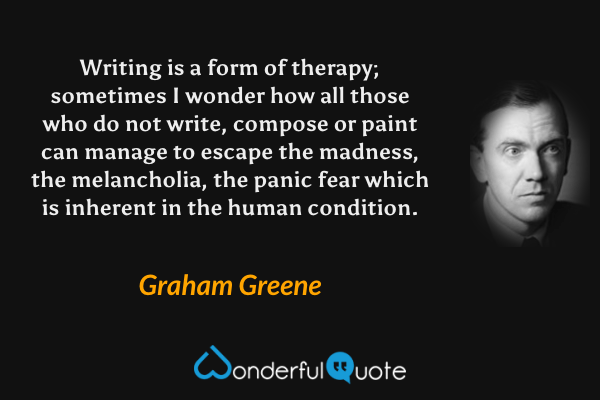
In a world filled with constant noise and pressure, finding moments of clarity and calm can feel like a luxury. But for many, a pen and paper – or the comforting glow of a laptop screen – offer more than a creative outlet. Writing, in its many forms, can be a deeply therapeutic tool for processing emotions, understanding experiences, and fostering personal growth.
The Science Behind Therapeutic Writing
Research has long supported the mental health benefits of writing. Psychologist James W. Pennebaker, a pioneer in expressive writing research, found that individuals who wrote about traumatic or emotionally significant experiences for just 15–20 minutes a day over several days often reported improved immune function, reduced stress, and better emotional well-being.
Writing allows the brain to organise thoughts and make sense of complex feelings. When we write about our experiences, we engage both the emotional and rational parts of the brain. This integration helps reduce the intensity of negative emotions and promotes a more balanced perspective.
Forms of Therapeutic Writing
There is no single right way to write for therapy. The process is personal and should be tailored to what feels most effective for the individual. Common approaches include:
- Journaling: Daily or regular journaling can help track moods, reflect on challenges, and celebrate progress. It creates a safe space for honesty without judgment.
- Expressive Writing: This involves writing freely about emotional upheaval without worrying about grammar, structure, or audience. The goal is to release rather than craft.
- Gratitude Writing: Focusing on what we’re thankful for can shift attention away from stress and toward positivity. Even brief entries can improve mood and resilience.
- Letters Never Sent: Writing letters to people—whether they’re alive, deceased, or fictional—and never sending them can help process unresolved feelings or find closure.
Emotional Benefits
Writing can help externalise internal pain, giving it a name and shape. This act of turning intangible feelings into words can be immensely relieving. It offers distance from overwhelming emotions and helps uncover patterns in thinking and behaviour. Over time, writers often discover a deeper understanding of themselves and their coping mechanisms.
For those dealing with anxiety, depression, grief, or trauma, writing can serve as a grounding practice. It can also supplement traditional therapy, helping individuals clarify thoughts before sessions or reflect afterward.
A Tool for Everyone
You don’t have to be a skilled writer to benefit from therapeutic writing. It isn’t about eloquence or structure—it’s about truth and release. The page doesn’t judge your pain or rush your process. It simply receives.
In a fast-paced world, taking time to write can be an act of self-care and rebellion against emotional numbness. Whether you’re pouring your heart out in a private journal or scribbling on napkins, you are engaging in an ancient, powerful form of healing.
Final Thoughts
Writing as therapy reminds us that healing doesn’t always require external solutions. Sometimes, the answers are waiting inside us—quiet, patient, and ready to be discovered one word at a time.
Martyn Radcliffe
 Barnard Castle Writing Group